How Sales Follow-Up Automation Converts More Leads
How Sales Follow-Up Automation Helps Convert More Leads
Generating a lead is only the beginning. The real opportunity is created by what happens after a prospect calls, submits a form, requests information, or asks for an estimate. Sales follow-up automation helps businesses respond quickly, stay consistent, and keep opportunities moving without relying on memory or scattered notes.
Why fast follow-up matters
Prospects often contact several providers at once. A prompt response shows professionalism and makes it easier to start a conversation while the need is still urgent. Automation can send an immediate acknowledgment, alert the right salesperson, and create a task for personal outreach.
What sales follow-up automation can handle
Immediate SMS or email responses after a form submission
Appointment confirmations and reminders
Sequences for prospects who have not responded
Estimate and proposal follow-up
Longer-term nurture for leads that are not ready today
Internal notifications when a prospect replies or takes action
The goal is not to remove the human relationship. It is to make sure routine communication happens reliably so salespeople can focus on conversations that require judgment and trust.
Build automation around the buyer journey
A useful sequence changes with the prospect's stage. A new inquiry needs a fast, helpful response. A booked appointment needs reminders and preparation details. A prospect considering a proposal needs clear answers and a reason to take the next step. Treating every contact the same creates noise instead of value.
Connect automation to your CRM pipeline
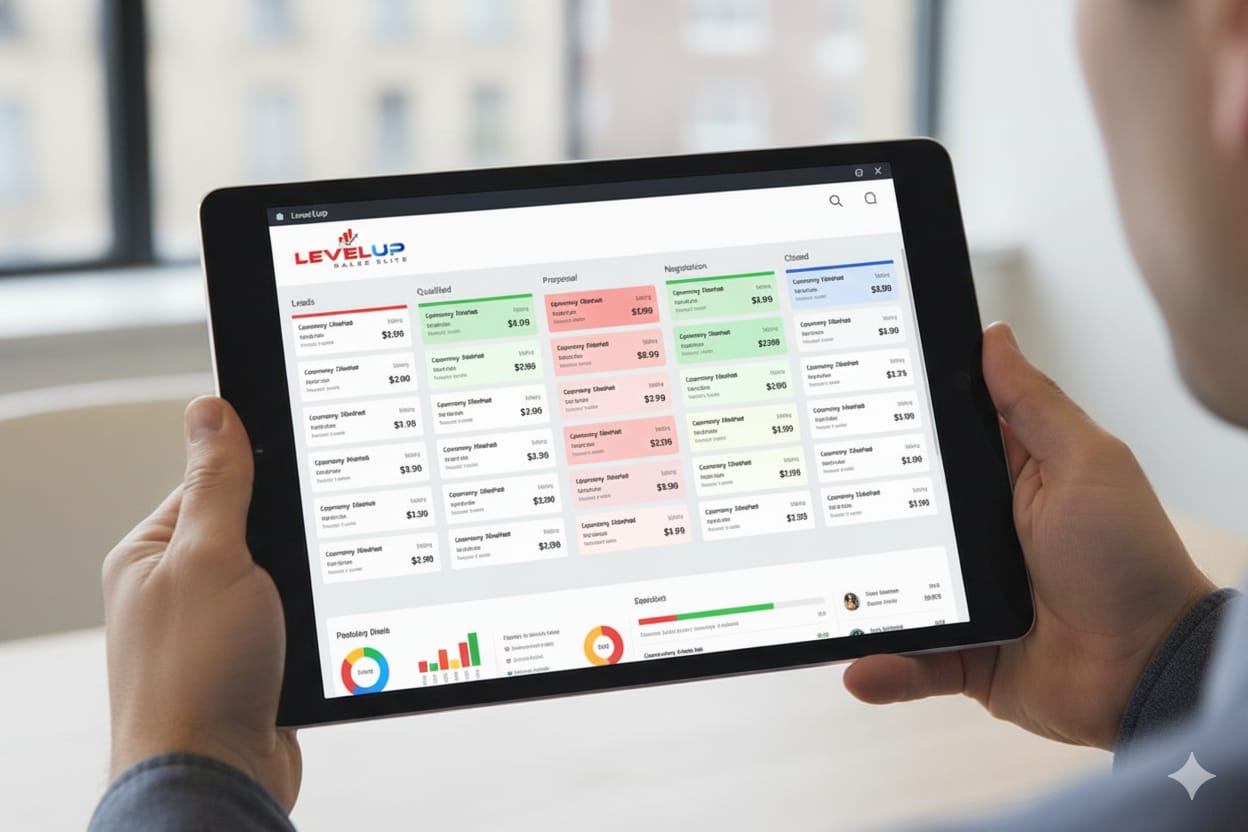
A sales CRM gives automation the context it needs. Each lead should have a source, owner, stage, recent activity, and next action. When a lead moves from new inquiry to appointment booked, the messages and tasks should change automatically. This keeps communication aligned with the actual sales process.
Common mistakes to avoid
Over-automation can feel impersonal. Avoid sending too many messages, repeating the same wording, or continuing a sequence after someone has replied. Keep messages concise, make it easy to respond, and route important conversations to a real person quickly.
Another common problem is automating a weak process. Before building workflows, define who owns each lead, how quickly the team should respond, what pipeline stages mean, and when an opportunity should be closed or nurtured.
Measure what improves conversion
Track response time, contact rate, appointments booked, show rate, proposal follow-up, close rate, and revenue by lead source. These measures reveal whether the automation is helping the team create more real conversations and sales.
Opens and clicks need additional context before they drive sales priorities. Our guide to email bot clicks and real sales engagement explains how to separate tracking activity from replies, qualified conversations and appointments.
Start with one high-value workflow
Begin with the point where leads are most commonly lost. For many businesses, that is the first 24 hours after an inquiry. Build a simple sequence, connect it to the CRM, test every step, and improve it based on replies and conversion data.
LevelUp Sales Elite helps businesses combine CRM organization, sales follow-up automation, and practical AI tools to create a more consistent path from lead to booked appointment. Explore LevelUp CRM or book a free strategy call.
Home care agencies can see this applied to a complete acquisition process in How to Get More Private-Pay Home Care Clients in 2026.
